
Explore every type of sofa with this complete guide. From L-shaped sectionals to sofa cum beds and recliners, find out which sofa type actually works for your room size, lifestyle, and daily use
There is a very specific kind of buyer’s regret that comes only with sofas. It does not arrive at the showroom. It shows up three months later on a regular evening, when the delivery is long done, the sofa is sitting exactly where the plan said it would, and the room somehow feels half its size. Or when guests arrive and someone realises there are four people but comfortable space for maybe two and a half.
Most people pick sofas the way they pick wallpapers. By photo. Which makes complete sense until the piece lands in the actual room and starts eating the space in ways nobody anticipated. The look is fine. The type was the problem. And type is almost always the thing nobody thought about.
This guide is about fixing that. Every major sofa type explained against real room sizes, real daily use situations, and the things that only become obvious after delivery day.
Three Things to Sort Out Before Looking at Any Sofa
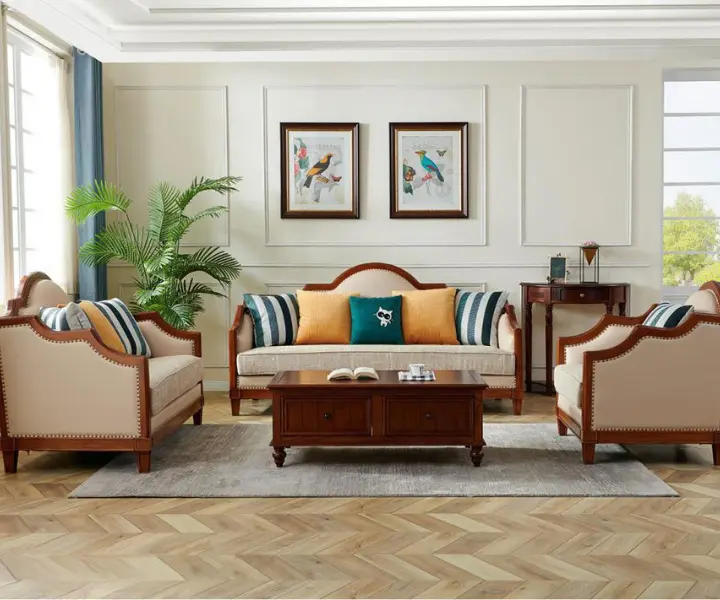
- Room shape comes first. A rectangular room with one clear wall available is a completely different situation from an open plan apartment where the living zone bleeds into the dining area. Those two setups call for different sofa types entirely, and no amount of good taste changes that.
- Second is daily use. How many people actually sit on this sofa on a regular basis, and what are they doing? A couple who watches television for a couple of hours in the evening has very different requirements from a joint family where four or five people are home through most of the day. The sofa that works for one is the wrong sofa for the other.
- Third, and this is the one that gets skipped most often, is what extra jobs the sofa needs to do. Does it need to convert to a sleeping surface for guests? Does it need storage underneath? Or does it purely need to be a comfortable place to sit for long stretches? These are not small questions. They change the answer completely.
Most people skip all three and go straight to the colour. The ones who sort these first almost always end up with a sofa they are still happy with five years later.
Every Major Sofa Type, Explained Practically
Standard 2 Seater and 3 Seater Sofa
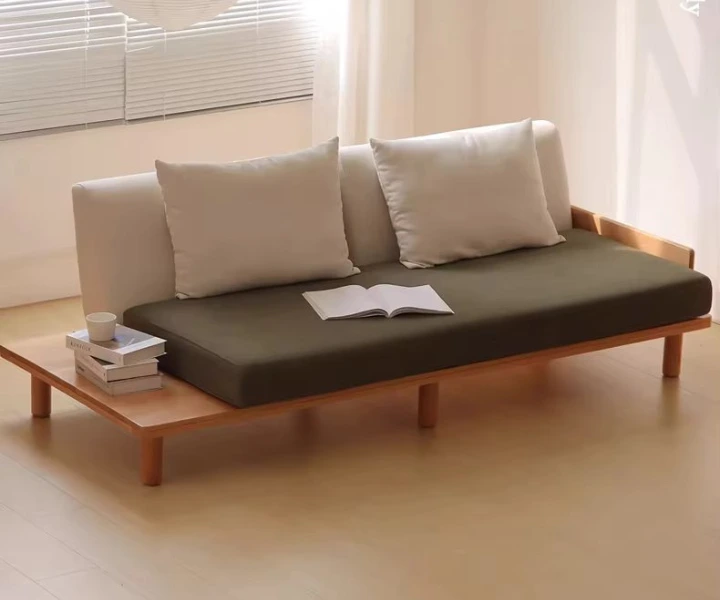
The workhorse of Indian living rooms. A standard 3 seater sofa is somewhere between 180 and 210 cm wide, fits in almost any room above 10×10 feet, and does not try to dominate the space or make a statement. It just seats people properly and leaves room for everything else the living room needs to do.
The thing most buyers do not measure: the wall, not just the sofa. A 3 seater against a 12 foot wall works. The same sofa on an 8 foot wall leaves almost no room on either side and definitely no room for a coffee table at a comfortable distance in front. Before anything else, measure the wall.
Best for first homes, nuclear families, rooms with one clear seating wall, and anyone who does not want the sofa to become the main event of the room.
L Shaped Sofa and Sectional Sofa
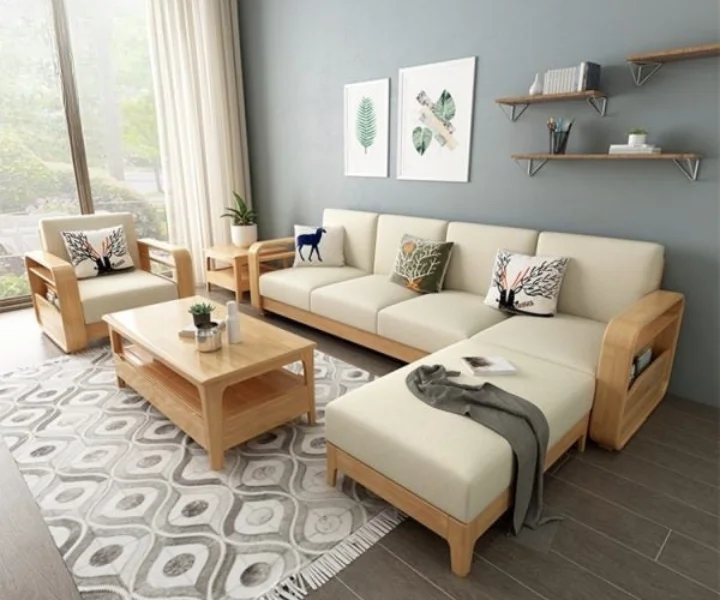
No sofa type sells as well in Indian homes right now, and probably none gets placed as badly. The most common mistake is almost always the same: the buyer pictures the sofa filling a corner nicely and positions the longer arm along the more visible wall. That puts the chaise section directly in the path that people naturally walk to reach the seating. The room ends up feeling like an obstacle course.
The chaise should face the television or the main viewing direction. Not the entrance. That one placement decision is the difference between a room that works and one that always feels slightly off without anyone being able to explain why.
Minimum room size: 12×12 feet. Below that, the longer arm takes over walking space and the room stops functioning properly. In open plan apartments where the living and dining areas share the same floor, an L shaped sofa is one of the cleanest ways to visually divide the two zones without putting up any actual partition or wall.
Best for families that watch television together for long stretches, open plan setups that need a natural zone divider, and rooms that are 150 square feet and above.
Sofa Cum Bed
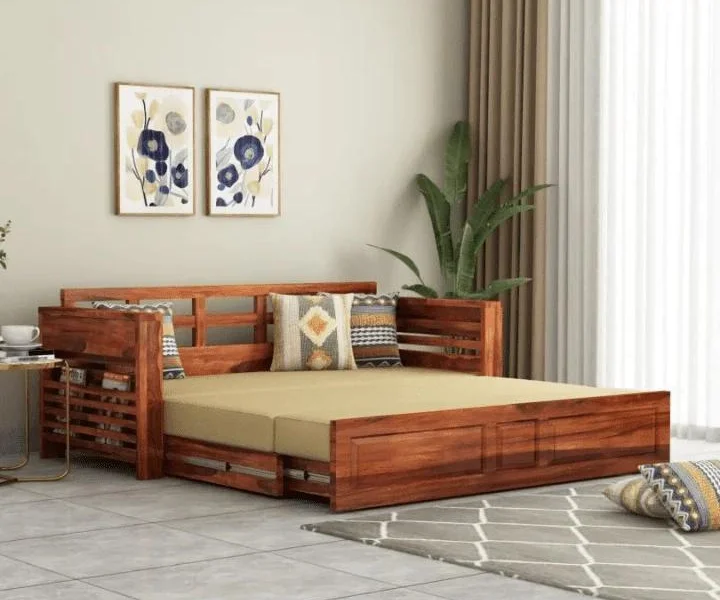
Honestly, for a 1BHK or a studio apartment in any Indian city where a dedicated guest room is not happening, this might be the single most useful furniture purchase in the whole house. During the day it is a sofa. When guests arrive it becomes a sleeping surface. Simple enough in concept. Where it goes wrong is the execution.
Two things actually decide whether a sofa cum bed works: the mechanism and the mattress depth. A mattress under 4 inches in the flat position transmits the base frame straight through to whoever is sleeping on it. Fine for sitting. Uncomfortable for sleeping past the first hour. Check the mattress depth before anything else.
The two types also get confused constantly. A fold flat sofa cum bed works by bringing the backrest down or pulling the seat out to create a flat surface. A sleeper sofa is different, it has a pull out metal frame with a separate mattress stored inside the base. Sleeper sofas are heavier, harder to reposition, and that metal frame edge sits right where legs rest. Noticeable by hour two of sleep. For most Indian homes, the fold flat option is just the more practical everyday pick.
Best for studio apartments, 1BHKs, and homes where the study or living room doubles as a guest room when needed.
Chesterfield Sofa
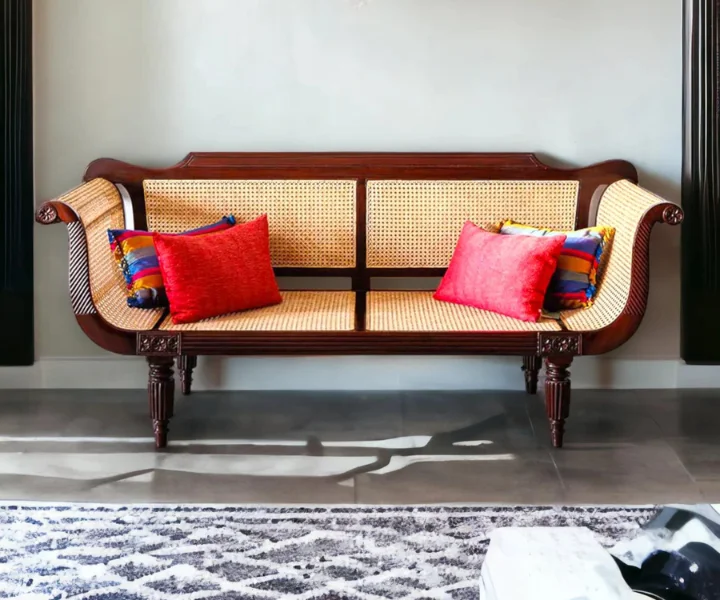
Deep button tufting across the seat and back. Rolled arms sitting at the same height as the backrest. A formal silhouette that announces itself the moment it enters a room. There is no quiet version of a Chesterfield sofa. It does not blend in. It anchors the entire visual direction of the space around it, and everything else, the rug, the lighting, the wall colour, even the coffee table, starts reading in relation to it.
That is both the appeal and the risk. Homes that redecorate every few years or like to experiment with different interior directions will find this very limiting. Homes with a clear, consistent design language, traditional bungalows, colonial style rooms, heavily styled maximalist interiors, library style sitting rooms, will find it exactly what the space needed.
Leather ages well but needs conditioning in drier months, especially in North India. Fabric versions in velvet or heavy cotton are generally more forgiving across different humidity conditions.
Loveseat
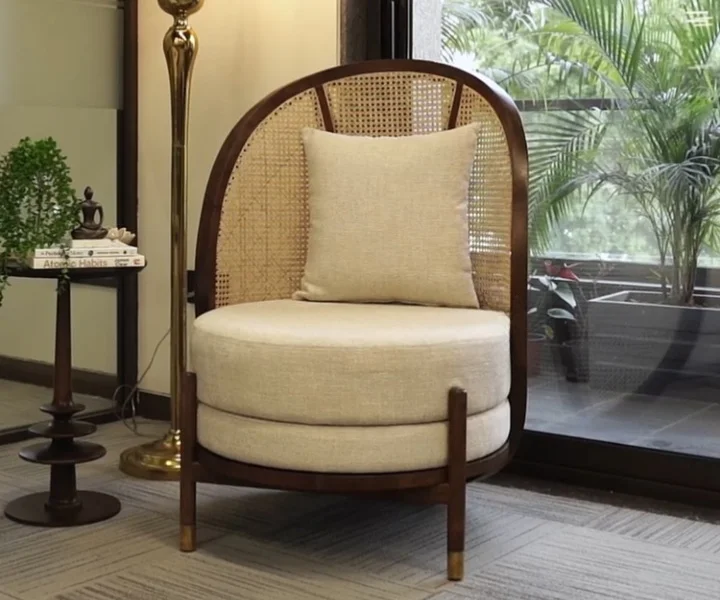
A loveseat is a compact 2 seater. Typically 120 to 140 cm wide, compared to 180 to 200 cm for a standard 3 seater. That smaller width is what makes it actually useful, in rooms where a full sofa simply will not fit, in bedroom sitting corners, or as additional seating alongside a main sofa in a larger living room.
The mistake that happens often: placing a loveseat as the only seating in a living room. It reads as incomplete. A single loveseat does not carry enough visual weight to anchor a living room’s seating area on its own unless the room itself is genuinely very small. Put two accent chairs across from it with a coffee table between, and it works. Alone, it tends to look like the rest of the furniture did not arrive yet.
Best for compact studio apartments, bedroom sitting areas, and as a secondary option in homes that already have a primary sofa or sectional in the living room.
Floor Sofa and Low Sofa
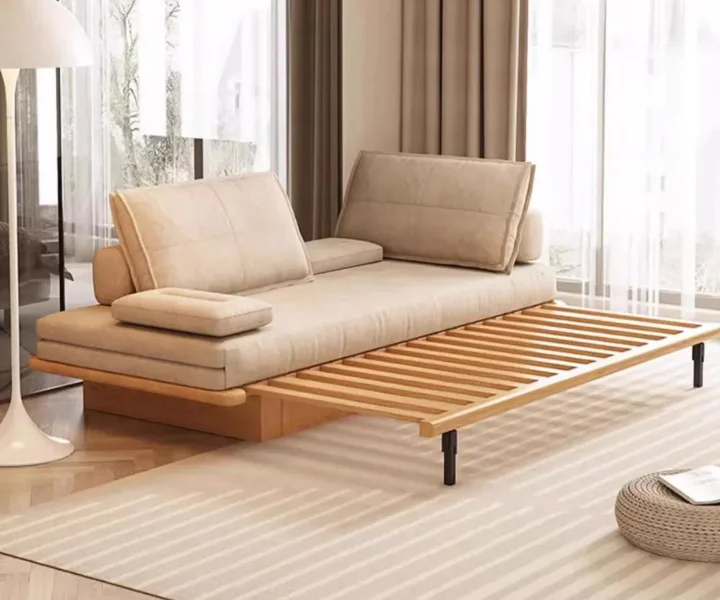
Seat height of 25 to 35 cm. Standard sofas sit at 45 cm. It sounds like a small gap in numbers but it changes the entire feel and use of the seating, and not always in the ways people expect after seeing it in a photo.
Floor sofas look genuinely extraordinary in photographs. Low, casual, very appealing especially in Japanese influenced or deliberately minimal interior setups. The reality of using one every day is a slightly different story. Getting up from 25 cm of seat height takes real effort. For a young household where everyone sitting on it is in their twenties or thirties, this barely registers as an issue. For a home where older family members or guests are around regularly, and in most Indian households, they are, the seat height quietly becomes a daily frustration. Worth thinking through honestly before buying.
Best for dedicated media rooms, homes with a deliberate low profile interior direction, and younger households where that ground level casual feel is the point.
Recliner Sofa
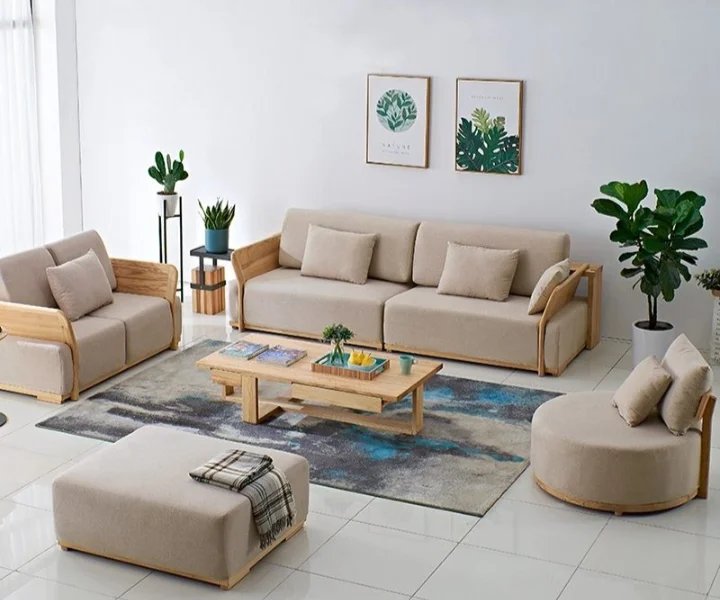
A recliner sofa has a built in mechanism, either a manual lever or an electric motor, that extends the footrest and tilts the backrest independently. For households that spend a couple of hours most evenings watching films or cricket matches, the difference between a recliner and a standard sofa genuinely becomes noticeable over time. Especially for anyone who deals with lower back issues or poor circulation.
The one thing nearly every buyer overlooks: a fully extended recliner needs 60 to 90 cm of wall clearance behind it. Without that gap, the mechanism cannot open to its full position, the footrest either hits something or the whole sofa shunts forward every time someone tries to recline. In showrooms, recliner sofas are always placed with room around them. That clearance is easy to forget about until the sofa is inside the actual room and the wall is 20 cm too close.
Electric motors are quieter and easier than manual levers day to day. Manual levers are mechanically simpler and more reliable over years, but they need a little physical effort and usually require the user to lean slightly forward before pulling.
Best for dedicated television rooms, home theatre setups, and households with members who have back pain or spend long hours sitting.
What the Design Style Names Actually Mean
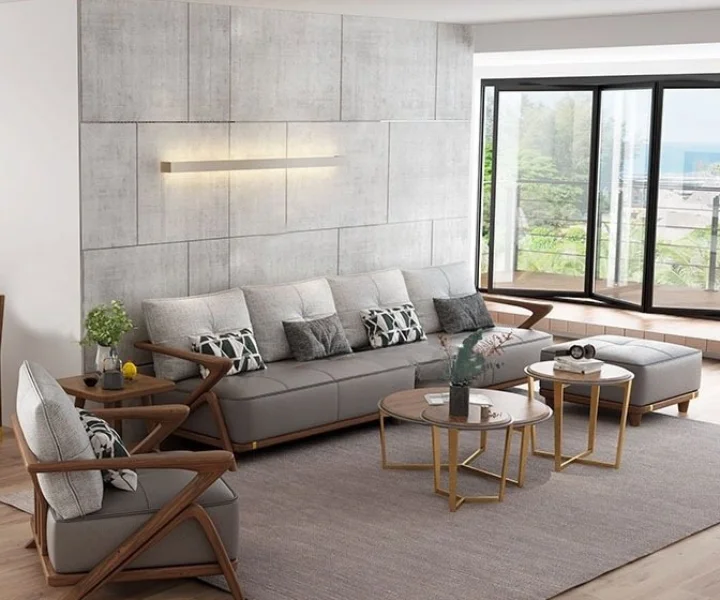
Beyond the functional types, sofas also get classified by silhouette and visual style. These names describe what the sofa looks like, not what it does or how it is structured.
Lawson sofas have a deep seat and low arms, the most relaxed and comfortable style for extended lounging, reads as informal. The Camelback has that distinctive hump shaped curve running along the backrest, traditional and striking to look at, less suited for sitting for long periods. English Roll Arm sofas have rounded low arms and a classic shape that sits comfortably in both traditional and transitional rooms without looking out of place in either. Mid century modern sofas use tapered wooden legs, a lower overall profile, and cleaner lines, they photograph extremely well and work particularly well in contemporary Indian apartments with light wood floors or neutral walls.
The practical rule here is simple. A sofa’s style should belong to the same broad design conversation as the room it goes in. A Chesterfield in a plain white minimal apartment does not create character, it creates visual conflict. A mid century sofa in a heavily carved traditional room reads as an afterthought. They do not need to match everything around them. They just should not visually argue with it.
A Quick Decision Guide
Open plan apartment, living area 150 sq ft and above: L shaped sofa or sectional. Chaise facing the TV, not the front door.
1BHK or studio with no dedicated guest room: Sofa cum bed, fold flat mechanism, mattress depth above 4 inches, check this specifically before buying.
Traditional home, colonial bungalow, or strongly styled interior: Chesterfield or English Roll Arm sofa in leather or a heavy fabric like velvet.
Studio apartment or compact room under 100 sq ft: Loveseat paired with accent chairs, or a compact sofa cum bed.
Dedicated TV room or home theatre: Recliner sofa. Measure the wall clearance before anything else.
Young household, casual setup: Floor sofa or low sofa with floor cushions for additional seating.
Standard family living room, 10×12 ft and above: A 3 seater in a Lawson or mid century style depending on which direction the room leans.
FAQs
QWhich sofa type is best for a small living room?
AA standard 2-seater or a loveseat works best in rooms under 100 square feet. L-shaped sofas almost always create traffic flow problems in rooms below 12×10 feet. The longer arm blocks natural movement, and the room ends up feeling blocked rather than furnished
QWhat is the actual difference between a sectional sofa and an L-shaped sofa?
AFunctionally they are very close. A sectional usually refers to modular pieces that can be rearranged or extended. An L-shaped sofa is a fixed format. In most Indian retail, the terms get used interchangeably and often describe the same product
QIs a sofa cum bed actually comfortable for daily use?
AAs a sofa, yes, a well-built one is perfectly comfortable. As a bed for someone sleeping on it every single night, it depends heavily on the mattress and mechanism quality. For occasional guest use, a few nights a month, a good sofa cum bed works well. For nightly sleeping, a proper mattress setup is still the better answer
QWhat makes a Chesterfield different from a regular sofa?
ADeep button tufting across both the seat and the back, rolled arms at the same height as the backrest, and a very distinctive formal profile. It originated in Victorian England and is one of the most recognizable sofa designs anywhere. It is also one of the more commitment-heavy purchases in this category; it sets the aesthetic direction of the whole room, not just the seating
QHow much space does an L-shaped sofa actually need?
AA 12×12-foot space is the functional minimum. Below that it either blocks walking paths or leaves too little clearance between the sofa and other furniture. Most designers recommend 14×14 feet as a comfortable working minimum when the room also needs a coffee table and regular movement around the furniture
QWhich sofa works best in homes with children?
AA deep-seated 3-seater in a washable or high-performance fabric is the most practical call. Recliner sofas with electric mechanisms should be placed carefully in homes with young kids, the moving parts are a genuine safety thing. L-shaped sofas work well for families that watch television together, as long as the room is large enough to support the format properly
Instagram Follow :- Queenwood.in
Contact Support Email :- support@queenwood.in